
Precision Ball Screws
Barnes Industries, Inc. is the industry leader for best delivery of new precision ground, semi-precision and commercial grade ball screws with internal or external ball return systems. (Go to the Resources tab and “How a Ball Screw Works” for more information on internal or external return systems.)
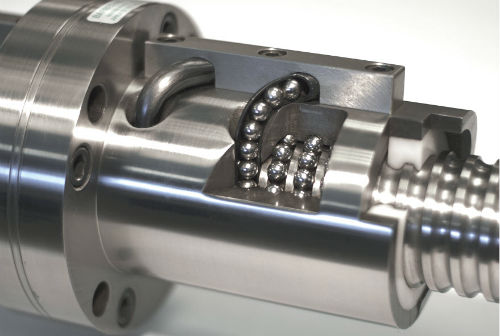
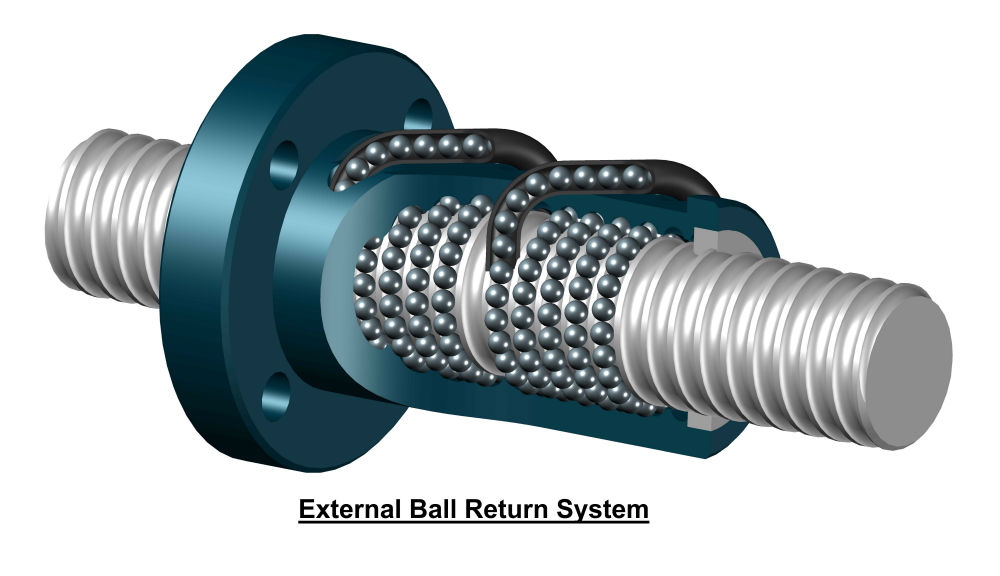
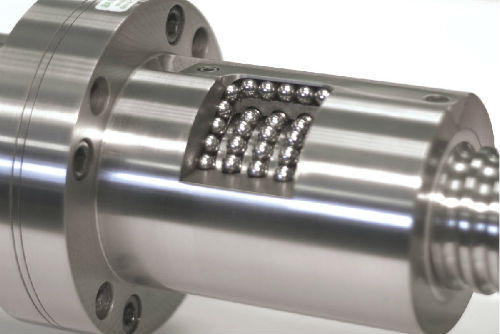
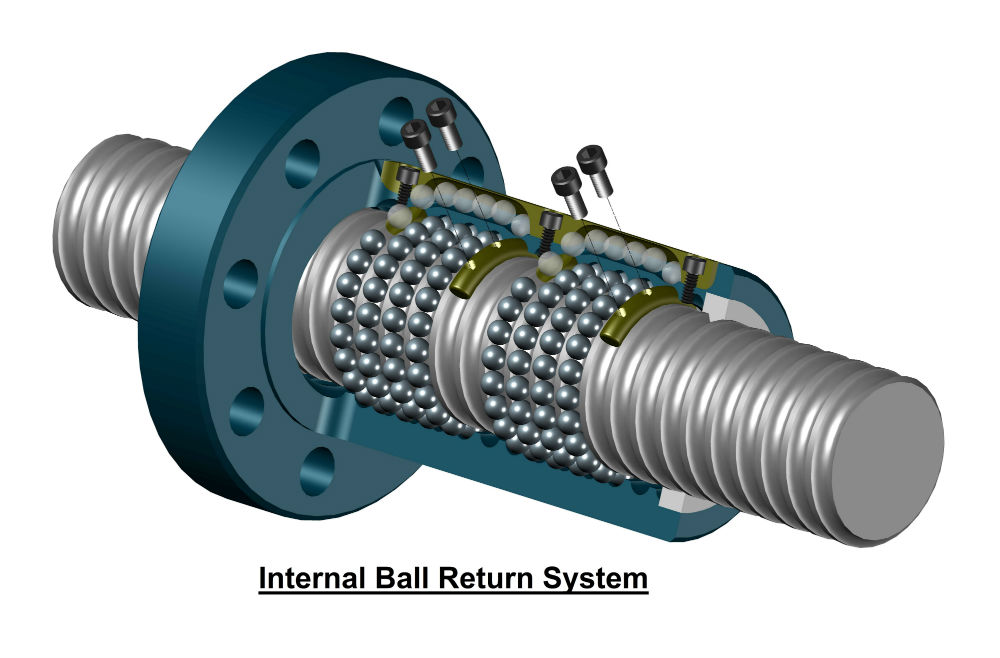
Most new precision ball screw assemblies manufactured by Barnes are delivered in 5-7 weeks or sooner if expedited. Just submit a drawing or sketch of your screw, or send in a sample ball screw assembly, and we will begin the quoting process immediately on a high quality unit that will fit as a direct replacement in your machine tool.
Barnes Industries manufactures new ball screws faster than anyone in the ball screw industry. We have even made 6” diameter x 40 foot long ball screw assemblies in only 6 weeks. This is accomplished by proven manufacturing processes, rigid quality control, and an extensive inventory of induction hardened and precision ground alloy steel shafting that is ready for processing.
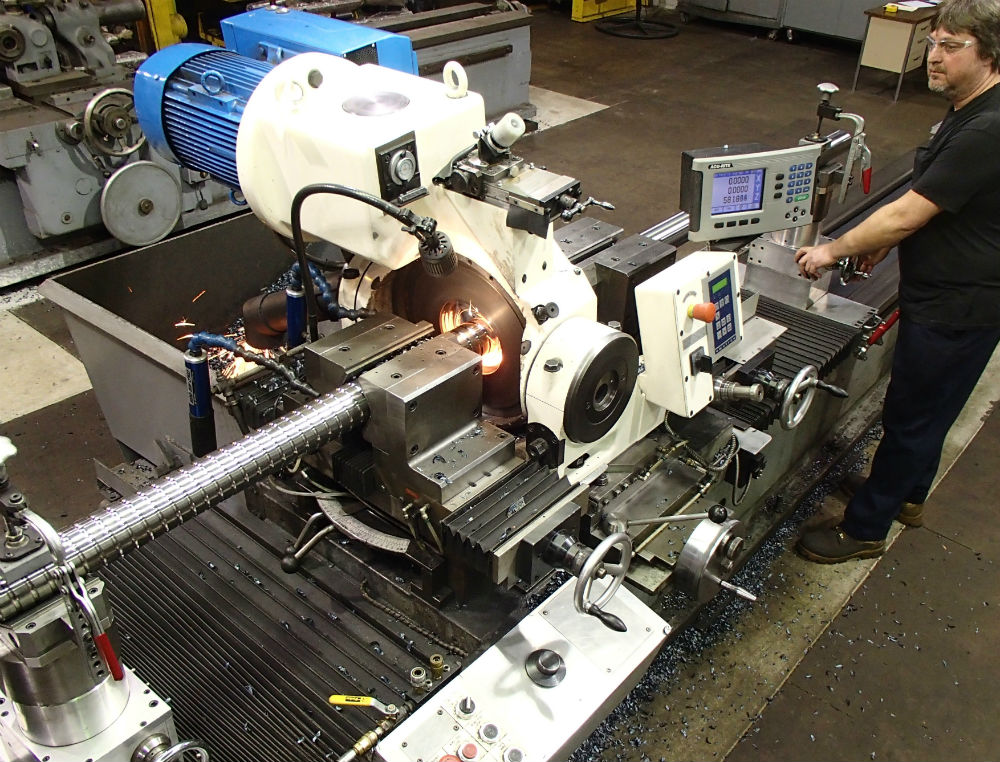
Screw material is always on hand for all common English and metric sizes between 1/2 inch and 6 inch (12 mm to 150 mm) diameter with lengths through 40 feet, (12 meters). Longer lengths can be manufactured by permanently joining bars by a special process to achieve screw lengths up to 52 feet (15.8 meters). For screw diameters larger than 6 inch or lengths over 52 feet, please consult our sales department.
Barnes New Ball Screws are manufactured to high quality standards, which meet or exceed all applicable industry standards including ANSI, ISO, DIN, and JAS (ISO 3408 and DIN 69051). Close control of thread form radius and lead provide increased load carrying capacity and longer wear life.
We offer engineering assistance for new ball screw designs and for improving existing applications, including conversions and retrofits from acme screws to ball screws. Our engineering department will work with machine tool manufacturers seeking to improve machine designs or make custom ball screws for special applications. They strive for continual improvement in every ball screw application for every customer no matter what size. Call today to see how Barnes can assist you in improving the design life of your ball screw.
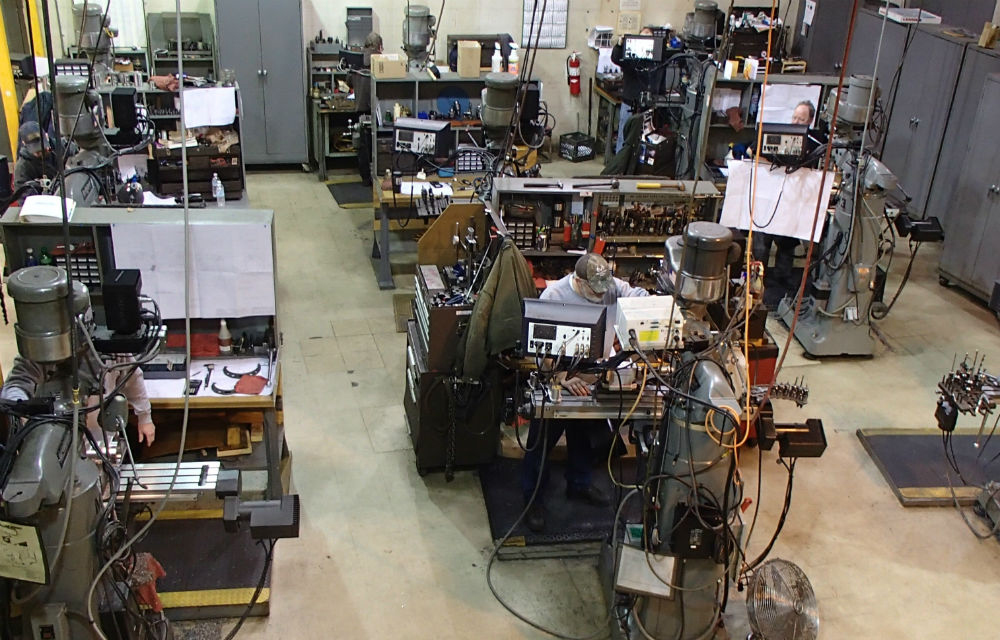
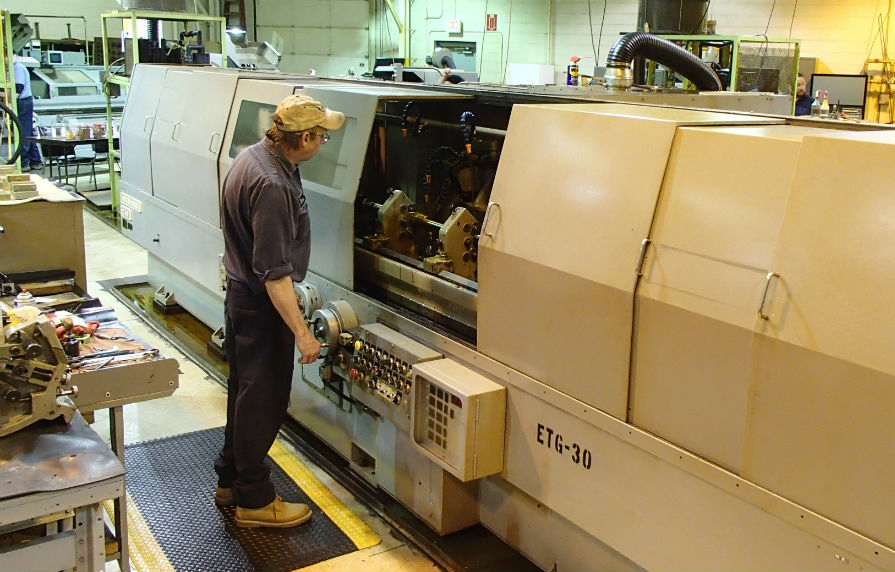
Barnes Industries has invested heavily in recent years to improve efficiency of larger quantity orders. With the purchase of CNC lathes and several CNC retrofits to milling machines we are ready to supply multiple quantities of new precision ball screws. Many process improvements have been made as well to enhance work flow while maintaining the same superior Barnes quality that has made us a name in the industry. Call today to get a competitive price and fast delivery on your next ball screw requirement.
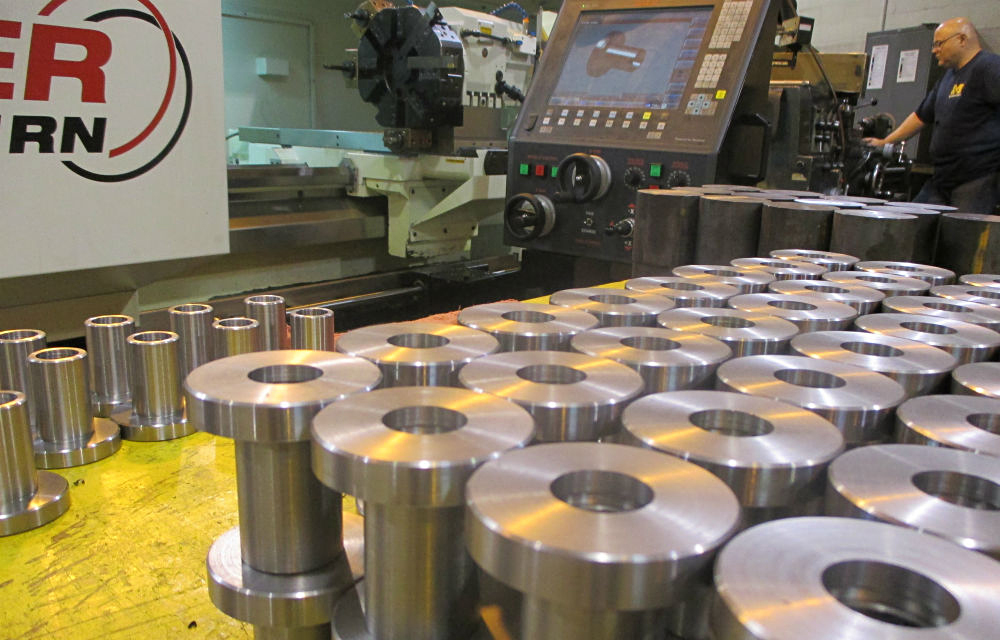
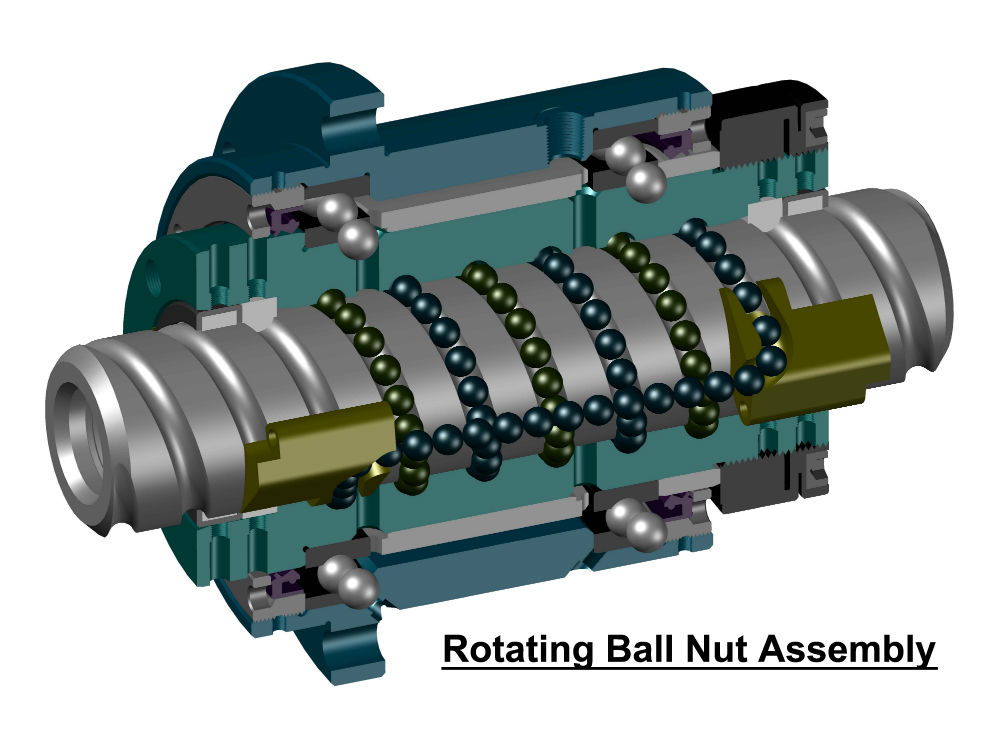
Special designs or applications are not a problem. Barnes has manufactured new ball screws of every size and pitch ever produced. Nut rotating applications are one of our specialties. They are used in many slender screw applications where rotating the screw would cause excessive vibrations due to critical speed. We have many rotating nut designs on file to assist you in your engineering. Call today to see how Barnes can help you in adapting a high quality Barnes design to your machine tool. Our extensive engineering background in ball screw applications will be at your immediate service.
Portfolio
Reconditioning of Large Buttress Screw
Material and Heat Treatment
|
Ball Screw |
Material: SAE 6150 Alloy Steel |
|
Nut |
Material: Aircraft Quality SAE 8620 Steel |
|
Balls (Grade 25 or Better) |
Material: 52100 Chrome Steel |
|
Return Tube |
Material: SAE 4130 Steel |
|
Deflector |
Material: 17-4 PH Stainless Steel |
|
Stainless Screw Assemblies |
Material: 17-4 PH or 440C |
Specifications
|
Services |
Thread Grinding |
|
Special Services |
Proven Application Engineering |
|
Applications |
Machine Tools |
|
Screw Types |
Ball Screw |
|
Nut Styles |
Single |
|
Maximum Screw Diameter |
6" (Larger sizes can be handled upon request) |
|
Maximum Screw Length |
52' (Longer Lengths can be handled upon request) |
|
Screw Lead Accuracy (Tolerance) |
±0.0005" per Foot, Cumulative (special lead accuracy upon request) |
|
Precision Ball Diameter Tolerance |
+/-0.000025" (Grade 25 or Better) |
|
Price |
|
|
Delivery |
|
|
Warranty |
|
|
Barnes Ball Screw Advantages |
|
|
Grinding Equipment |
Thread Grinders: MATRIX 70, Mitsui-Seiki, Excello, Jones & Lamson |
|
Standards Met |
Ball Screw: ANSI, ISO, DIN, JAS |
|
Industries Served |
Aerospace |
|
Partial Client List |
Baker Oil |
Ball Screw
Material: SAE 6150 Alloy Steel
Heat Treatment: Induction Hardening
Minimum Hardness: 58Rc to Required Case Depth
Nut
Material: Aircraft Quality SAE 8620 Steel
Heat Treatment: Carburized & Hardened
Minimum Hardness: 58Rc to Required Case Depth
Call 248.541.2333 Today visit our faq page for more information